
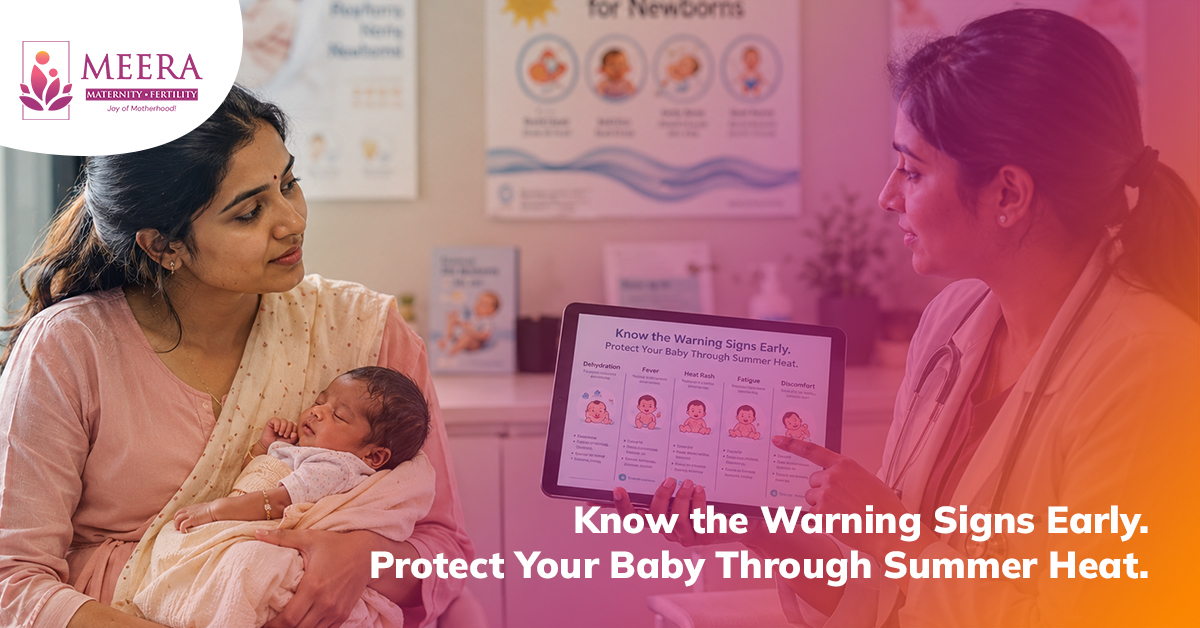
Your Baby Depends on You to Notice the Signs
Summer in Tamil Nadu can be very hard on babies under 1 year. With temperatures often reaching 38°C to 44°C along with heavy humidity, even a short time in a hot room or crowded space can affect a baby quickly. Unlike older children, babies cannot tell you when they feel weak, thirsty, dizzy, or too hot. Their small bodies also struggle to handle heat the way adults can.
This is why summer illnesses in babies can become serious faster than many parents expect. Sometimes families try home remedies for too long. Other times, parents rush to panic before knowing what signs truly matter. What helps most is knowing when to watch carefully and when to act immediately.
In this guide, you will learn the most common summer illnesses in babies under 1 year, the warning signs you should never ignore, and when it is time to seek medical help.
Why Summer Illnesses Affect Babies Faster
Many parents ask, “Can babies really get sick because of summer heat?” The answer is yes, especially during Tamil Nadu’s hot and humid months. Babies under 1 year are much more sensitive to heat than older children and adults.
Newborn babies, especially those under 3 months, cannot cool their bodies properly. They do not sweat well, so they depend completely on the room around them to stay comfortable. If the room is too hot or stuffy, their body temperature can rise very quickly.
Babies also lose fluids faster because their bodies are small. Even mild sweating, fever, vomiting, or loose motions can lead to dehydration sooner than parents expect. Their kidneys are still developing, which means the body cannot hold fluids as well as an adult body can.
Their immune systems are also still growing. This makes it easier for infections to spread quickly during summer.
One important thing every caregiver should know is this: a fever of 38°C in a baby under 3 months is a medical emergency. The same fever in a 9-month-old baby may only need close watching. Age matters greatly when judging symptoms in babies.
Now that you know why babies under 1 year are more at risk during summer, let us look at the most common summer illnesses parents should watch for.
5 Common Summer Illnesses in Babies Under 1 Year
1. Heat Exhaustion and Heat Stroke
This usually happens when babies are over-dressed, kept in hot rooms, or taken outdoors during strong afternoon heat. Babies can become overheated much faster than adults.
Symptoms to watch for:
Hot and dry skin, flushed cheeks, fast breathing, unusual sleepiness, weak crying, or poor feeding.
First step:
Move your baby to a cool room immediately. Place a cool, damp cloth on the forehead and neck. Babies under 6 months should not be given plain water. Offer breast milk or formula instead.
2. Dehydration
Summer heat causes babies to lose fluids quickly. This can happen even faster if the baby has fever, vomiting, or loose motions.
Symptoms to watch for:
Less than 4 wet nappies in 24 hours, dry lips, no tears while crying, dark yellow urine, or a sunken soft spot on the head.
First step:
Feed your baby more often. Continue breastfeeding regularly. If a formula-fed baby is not improving, speak to a doctor quickly.
3. Viral Fever and Summer Cold
Yes, babies can catch colds even during summer. In many Indian homes, moving suddenly between outdoor heat and very cold AC rooms can trigger illness.
Symptoms to watch for:
Runny nose, cough, mild fever, blocked nose, fussiness, or reduced feeding.
First step:
Keep the room temperature steady between 24°C and 26°C. Avoid wrapping the baby in thick layers. Use a thermometer to check fever instead of touching the forehead.
4. Gastroenteritis (Loose Motions and Vomiting)
Summer heat allows germs to grow quickly in feeding bottles, stored milk, or formula prepared too early.
Symptoms to watch for:
Watery stools more than 3 times in a day, vomiting, refusal to feed, dry mouth, or sunken eyes.
First step:
Continue breastfeeding. Do not give ORS to babies under 6 months unless a doctor advises it. Medical care should not be delayed if vomiting and loose motions continue together.
5. Prickly Heat Rash and Skin Infections
Sweat trapped under the skin can cause painful rashes, especially in neck folds, underarms, and the diaper area.
Symptoms to watch for:
Tiny red bumps, warm skin, itching, fussiness, or small blisters in skin folds.
First step:
Dress your baby in loose cotton clothes and keep the skin dry. Avoid putting talcum powder on broken or irritated skin.
During Tamil Nadu’s pre-monsoon months, parents should also stay alert for mosquito-borne illnesses like dengue and chikungunya. A high fever along with rash, unusual sleepiness, or body stiffness should never be ignored in babies.
Knowing these illnesses is important, but the most important skill is knowing when a symptom needs urgent medical care and when careful watching at home may be enough.
Warning Signs Parents Should Never Ignore
Some summer illnesses can be safely watched at home for a short time. But some symptoms in babies under 1 year need immediate medical care. The biggest danger is waiting too long, hoping the baby will improve on their own.
Go to the hospital immediately. Do not wait.
Seek urgent medical help if your baby has any of these signs:
- Fever above 38°C in a baby under 3 months, even if the baby looks normal
- Fever above 39°C in a baby older than 3 months along with poor feeding, nonstop crying, or unusual sleepiness
- Less than 3 wet nappies in 24 hours along with dry mouth or a sunken soft spot on the head
- Fast breathing, chest pulling inward while breathing, or flaring nostrils
- Vomiting many times together with loose motions
- Seizures, body stiffening, or shaking
- Baby feels limp, weak, or difficult to wake up
- Skin that stays raised after gently pinching it
- High fever along with rash or unusual body stiffness
Watch Carefully at Home for 24 Hours
These symptoms may be mild, but parents should continue watching closely:
- Mild fever below 38.5°C in a baby older than 3 months who is still active and feeding
- Mild cold, cough, or runny nose without breathing trouble
- Prickly heat rash without fever
- Slightly reduced feeding during very hot afternoons
- One or two loose stools without vomiting or fever
Many grandparents and caregivers try home remedies first, such as wrapping the baby tightly to “sweat out” the fever or giving sugar water, honey, or extra warm liquids. In babies under 1 year, these practices can worsen dehydration and overheating. When you are unsure, it is always safer to speak to a doctor early.
Now that you know the warning signs, the next step is learning how to reduce the chances of these illnesses during Tamil Nadu’s hottest months.
Simple Ways to Protect Your Baby During Summer
Preventing summer illnesses starts with keeping your baby cool, clean, and well-fed. Small daily habits can make a big difference, especially during Tamil Nadu’s hottest months.
Keep your baby’s room comfortably cool, ideally between 24°C and 26°C. If air conditioning is not available, using a ceiling fan with fresh morning airflow is better than keeping the room closed and hot. During power cuts, move your baby to the coolest part of the house and avoid thick bedding.
Be careful with AC temperatures. Moving a baby directly from outdoor heat into a very cold room can trigger cough, cold, and discomfort. Let your baby cool down slowly instead of sudden temperature changes.
Dress your baby in a single layer of soft cotton clothing. Tight clothes and thick wrapping can trap heat and cause sweating or rashes.
Feeding hygiene is extremely important in summer. Expressed breast milk should not be left outside for more than one hour in hot weather. Formula milk should always be freshly prepared and never reheated after long storage.
Feeding bottles must be cleaned and sterilised every day because germs grow faster in summer heat.
To protect against mosquitoes, use a mosquito net over the baby’s cot. Avoid mosquito coils and strong liquid vapourisers near babies, as they may affect breathing.
Most importantly, keep your baby’s vaccinations up to date. Vaccines help protect babies from several infections that become more common during warmer months.
Even with good prevention, every parent should know how to check a baby’s temperature correctly at home. A proper temperature reading can help you decide when to stay calm and when to seek urgent care.
How to Check Your Baby’s Temperature Correctly at Home
Many parents and grandparents still check fever by touching the baby’s forehead. But this method is not reliable, especially during hot summer weather. A baby may feel warm because of the room temperature, clothing, or crying. The safest way to check fever is by using a digital thermometer.
For babies under 1 year, the most accurate reading is usually a rectal temperature. Gently place the thermometer tip just inside the rectum and hold it carefully for the recommended time. An armpit reading can also be used if done properly by holding the baby’s arm close to the body for a few minutes.
These are the fever numbers every caregiver should remember:
- Under 3 months: 38°C or above is an emergency
- 3 to 6 months: 38.5°C or above should be discussed with a doctor
- 6 to 12 months: 39°C or above along with other symptoms needs medical care
Always check the temperature when the baby is calm. Do not measure immediately after feeding, crying, or coming in from outdoor heat.
Most importantly, do not depend only on touch or guesswork. A thermometer gives you the clear information needed to make safe decisions for your baby.
Even after reading all these warning signs and prevention tips, many parents still feel anxious when their baby suddenly becomes unwell at night. That feeling is completely normal.
A Gentle Reminder for Worried Parents Awake at Night
If you are reading this because your baby seems unwell right now, you are not alone. Many parents spend long nights watching every movement, checking every cough, and wondering if they should wait or seek help immediately.
The good news is that knowing the warning signs already puts you in a stronger position. You do not need to panic, but you do need to stay alert. Start with two simple steps. First, check your baby’s temperature properly using a thermometer. Second, look carefully for the red-flag signs discussed earlier, especially poor feeding, breathing trouble, unusual sleepiness, or signs of dehydration.
Parents often feel pressure to “wait and see.” But when it comes to babies under 1 year, early attention can make a very big difference.
You do not have to handle these worries by yourself. Support and medical help are always available when you need them most.
Meera Maternity Is Here for Your Baby’s First Summer
At Meera Maternity, our paediatric team understands how quickly summer illnesses can affect babies in Tamil Nadu’s heat. From fever and dehydration to feeding concerns and skin rashes, we are here to guide parents with timely care and clear advice.
We offer in-person consultations, home vaccination support, and video or WhatsApp consultations for early concerns and guidance. If your baby shows any warning signs discussed in this guide, do not delay seeking help. Early care can prevent bigger problems later.
At Meera, your baby’s first summer matters to us too.