
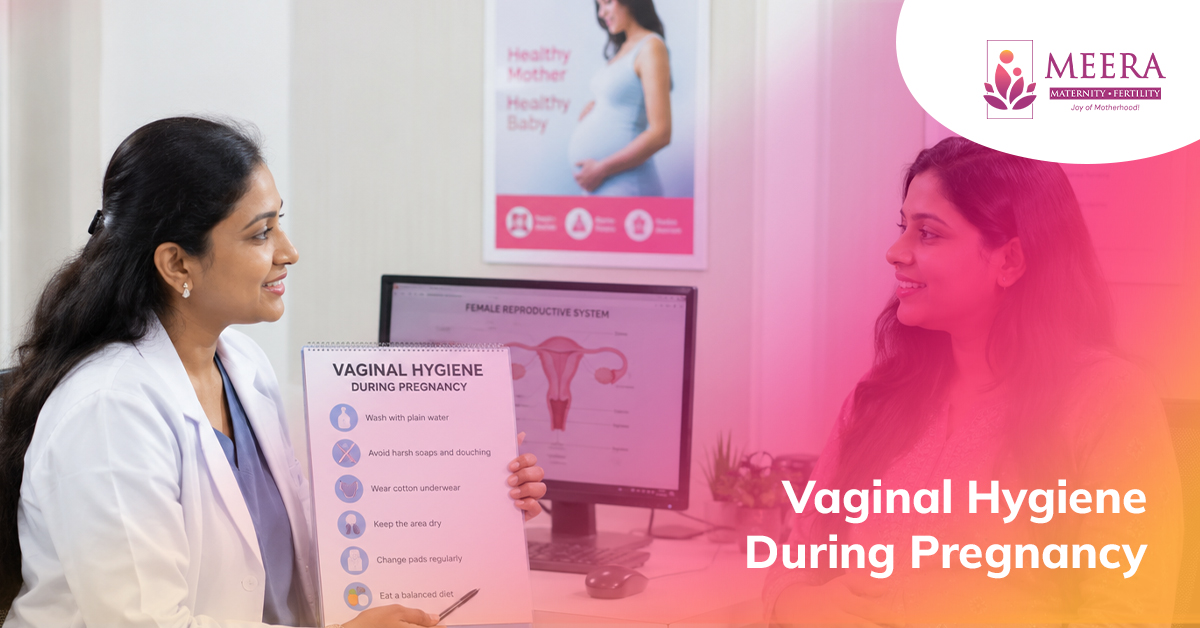
Pregnancy brings countless changes to your body, and some of the most noticeable changes happen in your intimate area. Increased vaginal discharge, changes in odor, sensitivity, and concerns about infections are common experiences that can leave many first-time and second-time mothers feeling anxious. Understanding what’s normal and maintaining proper vaginal hygiene during pregnancy can help you stay comfortable, healthy, and confident throughout your pregnancy journey.
Why Vaginal Health Changes During Pregnancy
During pregnancy, your body produces higher levels of hormones such as estrogen and progesterone. These hormonal changes increase blood flow to the pelvic area and affect the natural balance of bacteria and pH levels in the vagina.
As a result, many pregnant women notice increased vaginal discharge, also known as leukorrhea. This is usually a healthy and normal response that helps protect the birth canal from harmful bacteria and infections.
While these changes can be surprising, most are a natural part of pregnancy and do not indicate a problem.
What’s Normal During Pregnancy?
Many women worry when they notice changes in vaginal discharge. In most cases, the following symptoms are considered normal:
Increased Vaginal Discharge
Healthy pregnancy discharge is typically:
- Thin or milky white
- Mild-smelling or odorless
- Consistent in texture
- More noticeable than before pregnancy
The amount of discharge often increases as pregnancy progresses, especially during the second and third trimesters.
Mild Vaginal Sensitivity
Increased blood flow can make the vaginal area feel more sensitive or swollen. Some women also experience mild discomfort or pressure, which is usually normal.
Slight Changes in Odor
A mild change in vaginal scent can occur due to hormonal fluctuations. However, the odor should not be strong, fishy, or unpleasant.
What’s Not Normal?
Although many changes are harmless, certain symptoms may indicate an infection or other medical concern.
Contact your healthcare provider if you experience:
- Yellow, green, or gray discharge
- Strong fishy odor
- Intense itching or burning
- Pain during urination
- Vaginal redness or swelling
- Thick, cottage cheese-like discharge
- Bleeding unrelated to spotting advised by your doctor
These symptoms may be linked to conditions such as yeast infections, bacterial vaginosis, or other vaginal infections that require medical attention.
Understanding pH Changes During Pregnancy
The vagina naturally maintains a slightly acidic pH that helps control harmful bacteria and supports healthy vaginal flora. During pregnancy, hormonal changes can sometimes alter this balance.
When the pH balance is disrupted, the risk of infections may increase. This is one reason why maintaining proper vaginal hygiene during pregnancy is so important.
The goal is not to over-clean the area but to support the body’s natural protective systems.
Safe Vaginal Hygiene Practices During Pregnancy
Keeping the intimate area clean and healthy does not require complicated products or routines. In fact, simpler is often better.
Wash Gently with Warm Water
The external genital area can be cleaned daily using warm water and, if desired, a mild, fragrance-free cleanser approved by your healthcare provider.
Avoid scrubbing aggressively, as this may cause irritation and disrupt the natural balance of the skin.
Wear Breathable Cotton Underwear
Cotton underwear helps reduce moisture buildup and allows better airflow. This can help minimize irritation and lower the risk of infections.
Changing underwear regularly is especially important if you experience increased discharge.
Keep the Area Dry
Excess moisture can encourage the growth of yeast and bacteria. After bathing or exercising, gently pat the area dry rather than rubbing.
Practice Proper Wiping Habits
Always wipe from front to back after using the toilet. This simple habit helps prevent bacteria from spreading from the rectal area to the vagina.
Hygiene Practices to Avoid
Many products marketed for feminine hygiene can actually do more harm than good during pregnancy.
Avoid Douching
Douching can disrupt the natural balance of healthy bacteria in the vagina and increase the risk of infection. Healthcare professionals generally advise against douching during pregnancy.
Skip Scented Products
Avoid:
- Scented feminine washes
- Perfumed sprays
- Scented wipes
- Deodorizing powders
These products may irritate sensitive tissues and interfere with the vagina’s natural protective environment.
Avoid Harsh Soaps
Strong soaps and antibacterial cleansers can strip away beneficial bacteria and cause dryness or irritation.
Can Vaginal Infections Affect Pregnancy?
Some vaginal infections can lead to complications if left untreated. This is why early diagnosis and treatment are important.
Fortunately, many common infections can be safely treated during pregnancy under medical supervision. Never self-medicate or use over-the-counter treatments without consulting your healthcare provider first.
Regular prenatal checkups allow healthcare professionals to monitor your health and address any concerns before they become more serious.
When Should You See a Doctor?
Seek medical advice if you notice:
- Sudden changes in discharge color or odor
- Persistent itching or burning
- Pain or discomfort
- Signs of infection
- Leaking fluid that may be amniotic fluid
- Any symptom that feels unusual or concerning
Trust your instincts. If something doesn’t seem right, it’s always better to consult your healthcare provider.
Final Thoughts
Changes in vaginal discharge, pH levels, and sensitivity are common during pregnancy. Understanding what is normal can ease anxiety and help you feel more confident about your body’s changes. Maintaining proper vaginal hygiene during pregnancy involves gentle cleansing, avoiding harsh products, wearing breathable clothing, and staying alert to signs of infection.
Remember, your body is working hard to protect both you and your growing baby. By following safe hygiene practices and seeking medical advice when needed, you can support your intimate health and enjoy a healthier, more comfortable pregnancy.