
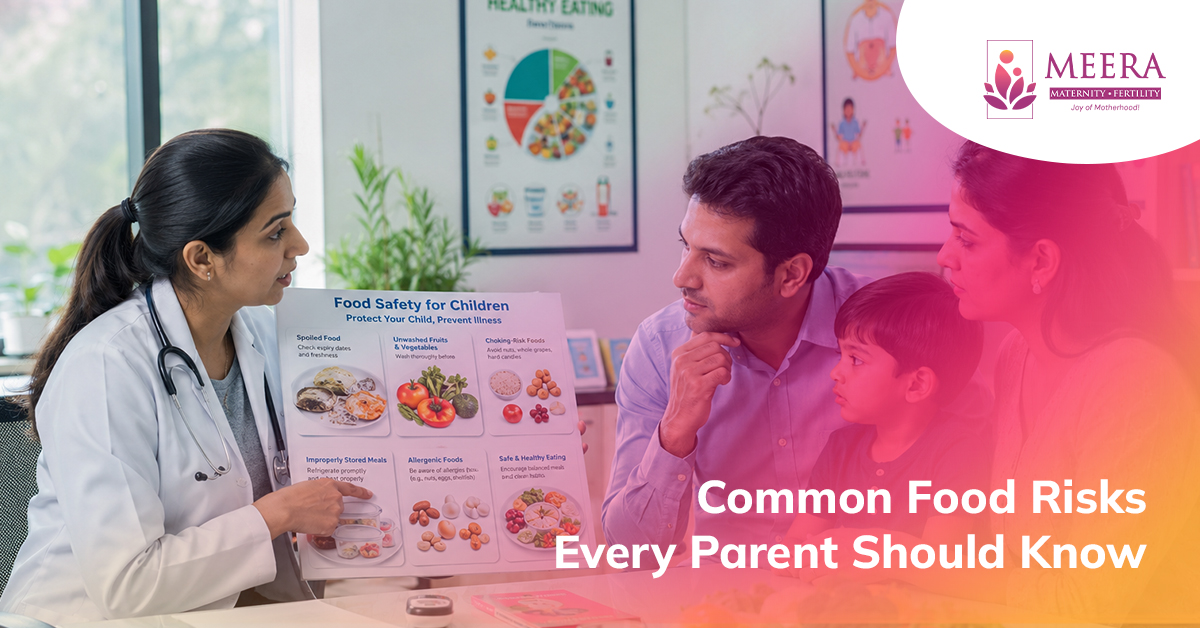
As toddlers transition from purees and mashed foods to family meals, many parents assume that if a food is healthy for adults, it must be safe for young children too. However, some everyday foods can pose choking hazards, digestive issues, or nutritional concerns for children between one and three years of age.
Understanding the foods to avoid for toddlers can help parents make safer meal choices while ensuring their little ones receive the nutrition they need for healthy growth and development.
Why Toddlers Need Special Food Considerations
Toddlers are still developing their chewing and swallowing skills. Their airways are smaller than those of older children and adults, making them more vulnerable to choking. At the same time, their digestive systems are still maturing, which means certain foods may be difficult for them to process.
Being aware of potentially risky foods can reduce accidents and support healthy eating habits from an early age.
1. Whole Grapes
Grapes are nutritious and packed with vitamins, but their size and shape make them one of the most common choking hazards for toddlers.
Give Instead:
- Quartered grapes
- Soft fruit pieces such as bananas or papaya
- Sliced strawberries
Always cut grapes lengthwise into small pieces before serving.
2. Whole Nuts
Almonds, peanuts, cashews, and pistachios contain healthy fats and protein, but whole nuts can easily block a toddler’s airway.
Give Instead:
- Nut butters spread thinly on bread
- Finely ground nuts mixed into porridge
- Nut powder added to milk or smoothies
Ensure there are no large nut pieces that could cause choking.
3. Popcorn
Many parents offer popcorn as a snack without realizing that its hard kernels can become lodged in a child’s airway.
Give Instead:
- Soft roasted makhana (fox nuts)
- Fruit slices
- Homemade vegetable sticks
Popcorn is generally not recommended for children under four years of age.
4. Hard Candies and Toffees
Hard sweets dissolve slowly and can easily become choking hazards. Sticky candies may also damage developing teeth.
Give Instead:
- Fresh fruit
- Yogurt with fruit puree
- Homemade fruit-based treats
Limiting sugary snacks also helps reduce the risk of early childhood cavities.
5. Large Chunks of Raw Vegetables
Raw carrots, cucumber chunks, and similar vegetables can be difficult for toddlers to chew properly.
Give Instead:
- Steamed carrots
- Soft-cooked vegetables
- Finely grated vegetables
Cooking vegetables until tender makes them easier and safer to eat.
6. Sausages and Hot Dogs
Their round shape can perfectly block a child’s airway if swallowed whole or in large pieces.
Give Instead:
- Shredded chicken
- Soft-cooked lentils
- Minced meat dishes
If serving sausages occasionally, cut them lengthwise and into very small pieces.
7. Excess Salt
Toddlers require much less sodium than adults. Excessive salt can place unnecessary strain on their developing kidneys and encourage unhealthy taste preferences.
Give Instead:
- Mildly seasoned home-cooked meals
- Herbs and natural spices for flavor
- Fresh fruits and vegetables
Avoid adding extra salt to foods prepared specifically for toddlers.
8. Sugary Drinks and Soft Drinks
Many packaged drinks contain large amounts of sugar and offer little nutritional value. Regular consumption can increase the risk of obesity, tooth decay, and unhealthy eating habits.
Give Instead:
- Water
- Fresh coconut water
- Homemade fruit smoothies without added sugar
- Milk as recommended by your pediatrician
Water should remain the primary source of hydration.
9. Honey for Children Under One Year
Although toddlers over one year can generally consume honey safely, parents with younger babies should avoid it due to the risk of infant botulism.
For families transitioning from infancy to toddlerhood, this remains an important safety reminder.
Give Instead:
- Mashed fruits for natural sweetness
- Date puree in moderation
- Fruit-based spreads without added sugar
Always check your child’s age before introducing honey.
10. Highly Processed Snack Foods
Chips, packaged snacks, instant noodles, and heavily processed foods often contain excessive sodium, unhealthy fats, preservatives, and artificial flavors.
While convenient, frequent consumption may contribute to poor nutrition and unhealthy eating habits.
Give Instead:
- Homemade vegetable cutlets
- Idlis
- Dosas
- Fruit bowls
- Boiled sweet potatoes
- Homemade chillas
Nutritious homemade snacks provide energy without unnecessary additives.
Healthy Eating Tips for Toddlers
Beyond avoiding risky foods, these habits can help make mealtimes safer and healthier:
Supervise Meals
Always watch toddlers while they eat. Children should remain seated and avoid running, playing, or talking excessively with food in their mouths.
Serve Age-Appropriate Portions
Large pieces of food can increase choking risks. Cut foods into small, manageable portions that match your child’s chewing ability.
Encourage Slow Eating
Toddlers often become excited during meals and may try to eat too quickly. Encourage them to chew thoroughly before swallowing.
Introduce New Foods Gradually
Offer one new food at a time and watch for signs of allergies or digestive discomfort.
Focus on Balanced Nutrition
A toddler’s diet should include the following:
- Fruits
- Vegetables
- Whole grains
- Dairy products
- Protein-rich foods
- Healthy fats
Balanced meals support growth, brain development, and overall health.
Final Thoughts
As your toddler explores new foods and develops eating habits, having the right guidance can make all the difference. Every child grows at their own pace, and small questions about nutrition, feeding routines, or food safety are completely normal.
At Meera Maternity Centre, our paediatric care team is here to support parents through every stage of their child’s growth. From introducing solid foods to managing picky eating and tracking healthy development, we offer expert guidance tailored to your little one’s needs.
If you have concerns about your child’s eating habits, nutrition, or overall well-being, schedule a consultation with our paediatric specialists for trusted advice and compassionate care.