
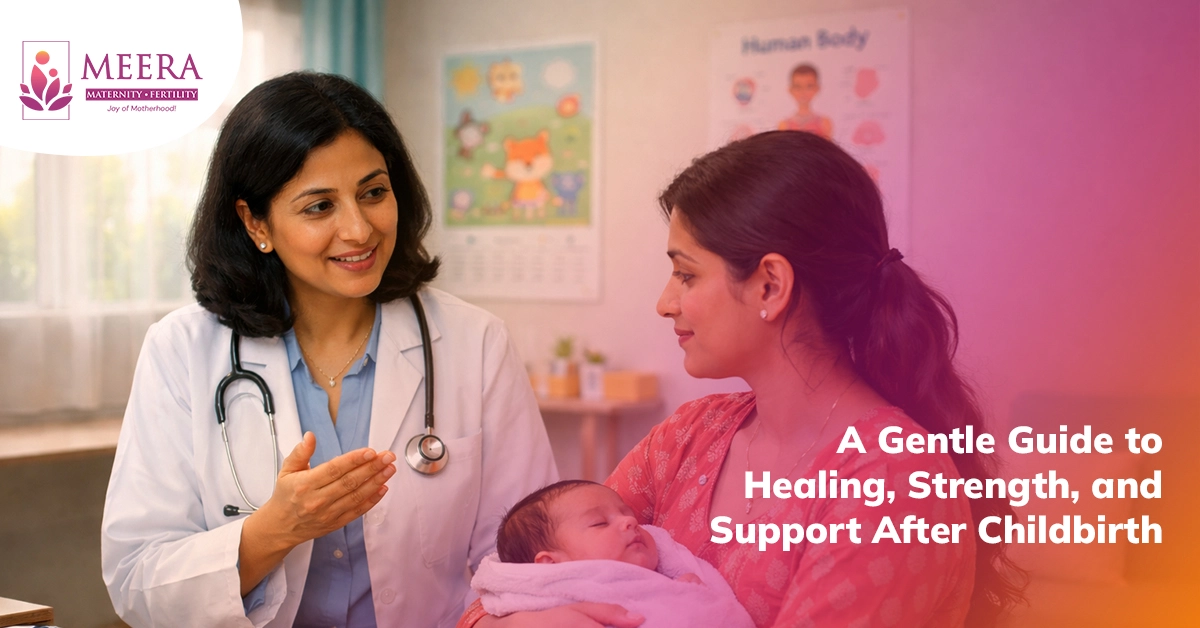
Those first few weeks after childbirth can feel like a blur. Days blend into nights, emotions swing unexpectedly, and your body is still catching up with everything it has been through. Alongside the joy of holding your baby, there’s tiredness, uncertainty, and a quiet need for care that often goes unspoken.
The Phase That Deserves More Care
This time is often called the fourth trimester: a period of adjustment, healing, and emotional change. While your baby is learning to adapt to the world, you are too. Rest, reassurance, and gentle support matter more now than doing everything “right”.
Putting the Mother First
A calm, healthy mother creates the strongest foundation for a growing baby. Listening to your body, accepting help, and giving yourself grace are not luxuries; they’re essential. This Guide for New Mothers is meant to walk beside you through recovery, care, and confidence, one steady step at a time.
Physical Recovery & Clinical Monitoring
Your body is healing in many quiet ways, whether you’ve had a natural birth or a C-section. Muscles are tightening, tissues are repairing, and hormones are settling into a new rhythm. Some days you may feel stronger; other days, rest will feel like the only option, and that’s completely normal.
Healing After Birth
After a vaginal delivery, soreness, stitches, and postpartum bleeding can take time to ease. For C-section mothers, incision care and limited movement are part of daily recovery. Mild discomfort is expected, but increasing pain, fever, foul-smelling discharge, or redness around stitches should never be ignored.
Why Monitoring Matters
Postpartum bleeding gradually reduces over weeks, but sudden heavy flow or large clots need medical attention. Swelling, persistent headaches, or dizziness can also signal concerns that require review. This is why regular check-ins with your doctor are so important, even if you feel “mostly fine”.
The Importance of Follow-Ups
The six-week postnatal visit is not just a formality. It helps assess healing, uterine recovery, blood pressure, and overall wellbeing. Accessing comprehensive maternity care in Kumbakonam ensures that your recovery is monitored by experts who understand the nuances of postpartum health. In this phase, reassurance comes from knowing your body is healing the way it should.
Postpartum Diagnostics: The Role of Scans
Sometimes, your body needs a closer look after delivery. While many mothers recover without any complications, lingering pain, prolonged bleeding, or delayed healing can signal that something needs attention. This is where diagnostic scans quietly play an important role in postnatal care.
When a Scan May Be Recommended
A scan may be advised if bleeding doesn’t reduce as expected or if there is pelvic discomfort that doesn’t settle with rest. Doctors may also look for retained tissue after delivery or check how the uterus is returning to its normal size and position. These checks help rule out issues before they become serious.
Reassurance Through Clarity
Imaging provides clear answers during a time filled with doubts. In some cases, a follow-up ultrasound scan is necessary to ensure the uterus is healing correctly and to rule out internal complications. Knowing what’s happening inside your body can bring relief and guide the next steps in care.
A Showing of Care, Not Alarm
Postpartum scans are common and usually precautionary. They are done to support recovery, not to create worry. When used at the right time, diagnostics offer peace of mind and help ensure that healing stays on track.
Restoring the Core: Postnatal Physiotherapy
After childbirth, your body may feel unfamiliar. Simple movements can feel tiring, posture is often affected by feeding and carrying your baby, and core strength may feel almost absent. This phase isn’t about rushing back to fitness; it’s about rebuilding stability and comfort.
Common Postnatal Challenges
Many new mothers experience abdominal separation (diastasis recti), pelvic floor weakness, or lower back pain. Long hours of breastfeeding or bottle-feeding can also strain the neck and shoulders. These issues are common and treatable with the right guidance.
Gentle, Guided Recovery
Postnatal physiotherapy focuses on slow, safe movements that support healing. Breathing exercises, posture correction, and pelvic floor activation help restore strength without pressure. Progress is gradual, and every small gain matters.
Strength Over Speed
Recovery works best when it’s supported, not forced. Regaining your strength shouldn’t be a DIY project; specialised physiotherapy services help you safely rebuild your core and pelvic health. With professional care, your body learns to move confidently again—at its own pace, on its own terms.
Nutrition for Healing & Lactation
Eating well after childbirth isn’t about strict rules or special diets. Your body needs steady nourishment to heal, regain energy, and support milk production. Simple, balanced meals can make a noticeable difference in how you feel each day.
Focus on Fluids and Fiber
Hydration is essential, especially if you’re breastfeeding. Drinking enough water helps prevent fatigue and constipation, which are common after delivery. Including high-fibre foods like fruits, vegetables, whole grains, and legumes supports digestion and eases bowel discomfort.
Rebuilding Strength Through Food
Iron-rich foods such as leafy greens, dates, jaggery, beans, and lean proteins help restore blood levels and reduce weakness. Calcium and protein support bone health and muscle repair. Warm, home-cooked meals are often easier to digest and comforting during recovery.
Supporting Breastfeeding Naturally
Certain foods can help maintain milk supply, including nuts, seeds, oats, and traditional lactation-friendly ingredients. Eating regularly and listening to hunger cues matters more than perfection. Nourishing yourself well is one of the kindest ways to care for your baby too.
Mental Health: The “Baby Blues” vs. PPD
Emotions can feel intense after childbirth. One moment you may feel deeply connected to your baby, and the next you might feel overwhelmed, tearful, or anxious. These shifts are common and don’t mean you’re doing anything wrong.
Understanding the Baby Blues
Many new mothers experience the “baby blues” within the first few days after delivery. Crying without a clear reason, mood swings, and feeling unusually sensitive are typical. These feelings usually fade on their own within a couple of weeks as hormones begin to settle.
When It Feels Heavier
Postpartum Depression (PPD) lasts longer and feels more intense. Persistent sadness, constant worry, lack of interest in daily activities, or feeling disconnected from your baby may be signs. PPD is not a personal failure—it’s a health condition that deserves care and support.
Speaking Up Is a Strength
You don’t have to carry these feelings alone. Talking to your doctor, partner, or a trusted professional can bring relief and clarity. Seeking help early creates space for healing, helping both you and your baby feel more secure during this tender phase.
New Mother’s “Daily Essentials” Checklist
Some days, doing the basics is more than enough. Keeping things simple can help you feel grounded while your body and emotions adjust to this new routine.
Small Habits That Make a Big Difference
- Sleep whenever you can, even if it’s in short stretches
- Drink water regularly, especially while feeding your baby
- Eat small, nourishing meals instead of skipping food
- Limit visitors if you feel tired or overwhelmed
Moments That Support Healing
- Spend time skin-to-skin with your baby whenever possible
- Sit or lie down while feeding to reduce strain on your back
- Ask for help without guilt; rest is part of recovery
Caring for yourself each day supports your healing and helps you show up for your baby with more calm and confidence.
Caring for the Mother, Every Step of the Way
In the weeks after birth, attention naturally shifts to the baby, but a mother’s recovery matters just as much. Healing takes time, support, and reassurance, and no one should feel rushed through it. When care is gentle and consistent, confidence slowly returns.
At Meera Maternity, support doesn’t end at delivery. From postnatal check-ups and diagnostic care to physiotherapy and lactation guidance, mothers are supported through every stage of recovery. Being part of a caring medical community can ease worries and help you focus on what truly matters: your wellbeing and your baby’s comfort.
This Guide for New Mothers is a reminder that you deserve care, rest, and understanding. With the right support system beside you, the postpartum journey becomes a little lighter and a lot more reassuring.