
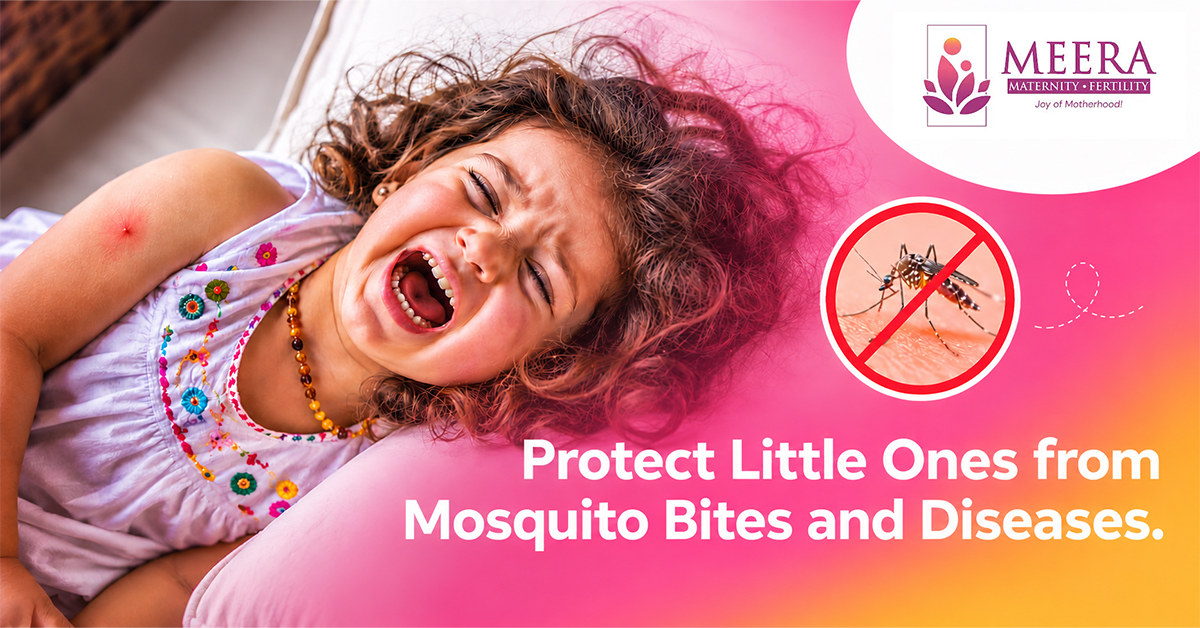
A fever after the rains can make any parent worry. Is it just a common viral fever, or could it be something more serious? This is a question many parents ask, especially during mosquito season.
Mosquito-borne diseases in children, such as dengue, chikungunya and malaria, are caused by bites from infected mosquitoes. Most of these diseases can be prevented with simple safety steps, and early medical care can help prevent serious problems.
But how can you protect your child?
In this blog, we will look at the common diseases caused by mosquito bites, the signs parents should watch for, and the right ways to protect children of different ages. We will also share a simple weekly routine to keep your home free from places where mosquitoes breed.
Let’s start with what we’re actually protecting our children from.
What Are the Common Mosquito-Borne Diseases in Children?
Mosquito bites may look harmless, but some mosquitoes can spread diseases that affect children’s health. Here are four common mosquito-borne diseases parents should know about.
1. Dengue and Chikungunya
Both diseases spread through Aedes mosquitoes. These mosquitoes usually bite during the daytime, especially in the early morning and late afternoon. They breed in clean, still water collected in pots, buckets and other containers.
2. Malaria
Malaria spreads through Anopheles mosquitoes, which usually bite between sunset and sunrise. Children with malaria may develop fever, chills and weakness.
3. Japanese Encephalitis
This disease spreads through Culex mosquitoes and is more common in rural areas and places near paddy fields. A vaccine for Japanese encephalitis is included in India’s national vaccination schedule for children in affected districts.
Why Do Children Need Extra Care?
- Children often play outdoors during the hours when mosquitoes are active.
- Younger children may not be able to explain how they feel.
- These infections can become serious faster in young children.
The good news is that not every mosquito bite causes a disease. Also, these infections do not spread directly from one child to another.
The risk of mosquito-borne diseases often rises after the rains. In Tamil Nadu, the northeast monsoon months are also important to watch.
Two of these diseases look very similar during the first few days, so parents often ask how to tell them apart.
Chikungunya vs Dengue: What’s the Difference?
Dengue and chikungunya can cause fever, body pain and skin rashes. Since their early signs are quite similar, it may be difficult for parents to know which illness their child has without medical tests.
Here are some common differences:
| Signs | Dengue | Chikungunya |
| Onset | Sudden high fever | Sudden high fever |
| Joint pain | Body pain and joint pain | Severe joint pain, sometimes with swelling |
| Rash | May appear during the illness | May appear during the illness |
| Bleeding risk | Higher risk of bleeding and shock | Less common |
| Recovery | Often improves within a few days but needs close watching | Most children recover well, but joint pain may last for weeks. |
What Are the Symptoms of Chikungunya in Children?
Children with chikungunya may have:
- Sudden high fever.
- Severe joint pain or swelling.
- Skin rashes.
- Irritability and frequent crying.
- Poor feeding or loss of appetite.
In younger children, joint pain may not be easy to notice. A child who suddenly refuses to walk or cries when picked up may be showing signs of pain.
Is Chikungunya Treatable in Children?
There is no specific medicine that kills the chikungunya virus. Treatment mainly focuses on helping the child feel better through rest, enough fluids and fever or pain relief as advised by a doctor.
Most children recover well, although joint pain may continue for a few weeks.
It is also possible to have dengue and chikungunya at the same time. This is why medical tests are important. A dengue NS1 test is useful during the early days of fever, while antibody tests may be used later.
Can a Mother Pass Chikungunya to Her Newborn?
Yes. If a mother gets chikungunya around the time of delivery, the infection can pass to her newborn. Pregnant women who develop a fever late in pregnancy should inform their obstetrician without delay.
Knowing the difference between these diseases helps, but knowing when to act matters even more.
Key Warning Signs in Children: When to See a Doctor Immediately
Not every fever is serious, but some signs should never be ignored. Parents should watch their children closely, especially during mosquito season.
When Should You See a Doctor the Same Day?
Take your child to a doctor if you notice:
- Fever lasting more than 2 days during mosquito season.
- Skin rashes.
- Severe body pain or joint pain.
- Unusual sleepiness or tiredness.
When Should You Go to the Hospital Immediately?
Do not wait if your child has any of these warning signs:
- Fever in a baby younger than 3 months.
- Repeated vomiting or severe stomach pain.
- Bleeding from the nose or gums, or black stools.
- Unusual sleepiness, restlessness or crying that cannot be stopped.
- Cold and sweaty hands or feet.
- Very little urine or fewer wet diapers than usual.
- Fast breathing or refusing all fluids.
Why Should Parents Be Careful When Fever Comes Down?
One important thing parents should know about dengue is that the dangerous stage can begin when the fever starts coming down.
This usually happens between the third and seventh day of illness. Even if your child seems better after the fever drops, continue watching for warning signs and follow the doctor’s advice.
What Should You Do When Your Child Has a Fever?
Here are a few important things to remember:
- Give your child fluids and ORS (oral rehydration solution) often.
- Give only paracetamol in the dose advised by your doctor based on your child’s weight.
- Never give aspirin or ibuprofen, as these medicines can increase the risk of bleeding in dengue.
- Do not give antibiotics without a doctor’s advice.
- Do not depend on herbal drinks or papaya-leaf juice to treat dengue. They cannot replace medical tests and proper care.
Should Parents Worry About Low Platelet Counts?
A low platelet count can worry parents, especially when a child has dengue. However, doctors do not decide how serious the illness is based on just one blood test number. They also check the child’s symptoms and how the test results change over time.
The good news is that most mosquito-borne diseases can be prevented. The right protection may look a little different depending on your child’s age.
Mosquito Protection for Children: What Works at Every Age
Children need different types of protection as they grow. Here are some simple ways to keep them safe from mosquito bites.
1. Infants (0–12 Months)
Babies need extra care because their skin is delicate and they cannot protect themselves from mosquito bites.
- Use a mosquito net over the baby’s bed or cot.
- Dress your baby in full-sleeve cotton clothes.
- Fit screens on doors and windows to keep mosquitoes outside.
- Do not use mosquito repellents on babies younger than 2 months.
- Avoid using strong mosquito coils and vaporisers in the baby’s room.
2. Toddlers (1–5 Years)
Toddlers love to play and explore, which can increase their chances of getting mosquito bites.
- Dress them in light-coloured, full-sleeve clothes.
- Avoid play areas near drains, water tanks and bushes during early mornings and late afternoons.
- An adult should apply mosquito repellent for them.
- Check their play areas for standing water.
3. School-Going Children
Children can get mosquito bites at school, during outdoor games and even while attending tuition. Remember, Aedes mosquitoes can bite during the daytime too.
- Encourage children to wear full-sleeve uniforms wherever possible.
- Teach them to inform teachers if they notice standing water around the school.
- Ask the school about its weekly cleaning routine.
- Encourage them to use mosquito protection during outdoor activities.
Safe Mosquito Repellent Rules for Children
Keep these points in mind when using mosquito repellents:
- Choose a repellent made for children and follow the instructions on its label.
- Check the age limit before using any product.
- Apply it only to exposed skin. Avoid the hands, face, eyes and cuts.
- Wash the repellent off when your child comes indoors.
- Avoid mosquito wristbands and stickers, as there is little proof that they work.
- Keep rooms well-ventilated when using mosquito vaporisers.
What About Vaccines?
The Japanese encephalitis vaccine is included in India’s national vaccination schedule for children living in affected areas. Currently, there is no dengue vaccine in India’s national vaccination schedule.
Speak to your paediatrician about the vaccines recommended for your child’s age and location.
Even the best protection at the child level works better when the home itself does not have places where mosquitoes can breed.
Your Weekly “Dry Day” Routine
Keeping your home free from standing water is one of the easiest ways to reduce mosquito breeding. A few minutes of cleaning every week can make a big difference.
Use this simple checklist to keep your home safe:
Once a Week, Clean and Dry These Places:
- Coolers and plant saucers.
- Overhead and water storage tanks. Keep them covered.
- AC drip trays and pet water bowls.
- Buckets, old tyres and coconut shells.
- Other containers that collect rainwater.
A Few More Things to Remember:
- Keep doors and windows fitted with mosquito screens.
- Wear long-sleeve clothes during early mornings and late afternoons.
- Report blocked drains and standing water to your local body.
- Do not depend only on fogging to control mosquitoes. Removing places where they breed is also important.
You cannot remove every mosquito around you, but small weekly habits can help protect your child. Make this cleaning routine a family habit and encourage your child’s school to follow it too.
And if something does not feel right, you do not have to wait it out alone.
Caring for Your Child’s Health with Meera Maternity Centre
At Meera Maternity Centre, we provide paediatric care for children from infancy to adolescence. From fever-related concerns to regular health needs, our team is here to help. Parents can also access home vaccination, paediatric lab tests and video consultations for added convenience. With round-the-clock availability, you can reach out when your child needs care. Book an appointment or WhatsApp our clinic for assistance.
Explore Our Services:
Disclaimer
This article is for general awareness and does not replace professional medical advice, diagnosis or treatment. Symptoms and treatment may vary from child to child. Please consult a qualified paediatrician for any fever or health concern. Never give medicines to a child without a doctor’s advice.