
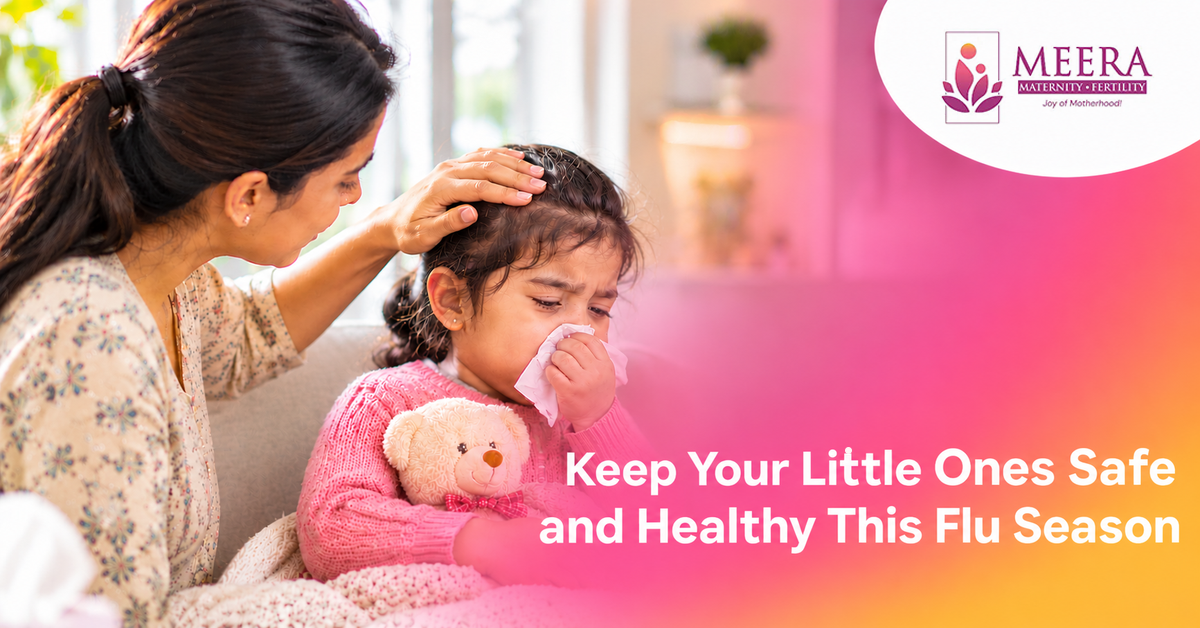
Imagine picking up your child from school and hearing that three of their classmates have a cough and fever. Your first thought might be, “Will my child get sick next?”
Flu is a common illness in children. It spreads easily, especially in schools and other crowded places. The good news is that a yearly flu vaccine and simple daily habits can help protect your child. Most children also get better with enough rest and fluids.
In southern India, flu cases often rise during the monsoon months. So, this is a good time for parents to get ready.
Let’s look at the common flu signs, vaccines, daily safety habits, home care and when your child may need a doctor’s help.
First, how do you know it’s flu and not just a cold?
Flu Symptoms in Kids: What to Look For
Flu and the common cold can look alike at first. However, flu usually starts suddenly and can make children feel much worse.
Common signs of flu in children include:
- Sudden fever and chills
- Cough and sore throat
- Runny or blocked nose
- Body pain and headache
- Feeling very tired or weak
- Loss of appetite
- Vomiting or loose stools
Babies may show different signs, such as fever, poor feeding, unusual crying, too much sleepiness or fast breathing.
Flu vs Cold: How Are They Different?
| Signs | Flu | Common Cold |
| How it starts | Suddenly | Slowly |
| Fever | Often high | Mild or no fever |
| Body pain | More common | Less common |
| Tiredness | Can be severe | Usually mild |
| Recovery | Takes longer | Usually quicker |
Many parents use the term “viral fever” for different types of fever. But during the monsoon, fever with body pain can also be caused by dengue or other infections. So, if your child’s fever is high or lasts for several days, get it checked by a doctor.
Most healthy children recover at home. However, children under 5, especially those under 2, and children with asthma, heart, kidney or immune system problems need closer care.
The most effective protection happens before the first sniffle: vaccination.
Flu Vaccine for Children: What Indian Guidelines Recommend
A yearly flu vaccine is one of the best ways to protect children from flu. Here are some common questions parents may have about it.
1. At what age can children get the flu vaccine?
The Indian Academy of Pediatrics (IAP) recommends a yearly flu vaccine for all children from 6 months of age. In India, it is available as part of private vaccination services and is not included in the national vaccination programme.
2. How many doses does a child need?
Children below 9 years who are getting the flu vaccine for the first time need two doses, with a gap of 4 weeks between them. After that, one dose is needed every year.
This is because flu viruses can change over time, and the protection from the vaccine becomes weaker.
3. When is the right time to get the vaccine?
The vaccine takes about 2 weeks to start giving protection. So, it is best to get it before flu cases start rising in your area.
The right month can differ from place to place. Ask your child’s doctor about the best time to get the flu vaccine in Tamil Nadu. Even if you missed the earlier months, getting vaccinated later is still useful.
4. Which children need extra care?
Children under 5 and those with asthma, heart, lung, kidney or immune system problems are at a higher risk of serious flu illness. Vaccination is especially important for them.
5. Can babies below 6 months get the flu vaccine?
No. Babies below 6 months are too young to receive the flu vaccine. To help protect them, mothers can get vaccinated during pregnancy, and other family members should also get their yearly flu vaccine.
6. Can the flu vaccine cause flu?
No. The injectable flu vaccine cannot give your child flu. Some children may have mild pain where the injection was given or a low fever for a day or two. These effects usually go away on their own.
If your child had a serious reaction to an earlier flu vaccine or one of its ingredients, speak to the doctor before getting another dose.
Remember, the flu vaccine does not replace your child’s other regular vaccines. Both are important for good health.
Vaccination is the foundation, and daily habits add another layer.
How to Prevent Flu in Kids: Everyday Habits That Work
Small daily habits can make a big difference in keeping your child safe from flu. Here are three simple ways to help prevent flu in children:
- Get the yearly flu vaccine: Make sure your child gets the flu vaccine every year as advised by the doctor.
- Wash hands often: Ask your child to wash their hands with soap for about 20 seconds, especially before eating and after coming home from school.
- Stay away from sick people: Keep some distance from people who have flu symptoms. If your child is sick, let them stay at home until they recover.
More habits that help protect children:
- Teach children to cover their mouth and nose with their elbow when coughing or sneezing.
- Ask them not to touch their eyes, nose or mouth with unwashed hands.
- Avoid sharing water bottles, lunch boxes and towels.
- Clean shared toys and commonly touched surfaces regularly.
- Keep rooms fresh by allowing enough air to move through them.
- Avoid crowded indoor places as much as possible during flu season.
- Older children can wear a mask in crowded places or when they are sick. However, children below 2 years should not wear masks.
- Keep your home free from tobacco, kitchen and firecracker smoke, as smoke can make breathing problems worse.
Can Vitamin D Prevent Flu in Children?
Vitamin D is important for good health, and low vitamin D levels are common in India. However, there is limited proof that taking vitamin D can prevent flu. Give your child supplements only if the doctor advises them. Avoid giving high doses without medical advice.
A balanced diet, enough sleep, active play and breastfeeding for babies also support overall health. However, these habits cannot replace the flu vaccine.
But even careful families catch flu sometimes, so here is what helps at home.
Childhood Flu Treatment: What Helps (and What Doesn’t)
If your child gets flu, there is no need to panic. Most children get better with proper care at home. Here are some simple steps that can help them feel better.
What Helps Your Child Recover?
- Give enough rest: Let your child sleep and take breaks from school and outdoor activities.
- Offer plenty of fluids: Give water, ORS (oral rehydration solution), breast milk or regular feeds to prevent a lack of fluids.
- Give light meals: Offer small meals that are easy to eat.
- Help with a blocked nose: Saline nose drops can help babies breathe more easily. Gentle suction can also help clear their nose.
- Manage fever: Give paracetamol only in the dose advised by your doctor based on your child’s weight.
- Try lukewarm sponging: This may help if your child needs extra comfort.
- Use honey for cough: Children above 1 year can have honey to help soothe a cough. Never give honey to babies below 1 year.
What Should You Avoid?
- Do not give aspirin to children, as it can cause a serious health problem.
- Do not give antibiotics without a doctor’s advice. They do not work against flu viruses.
- Avoid over-the-counter cough and cold syrups, especially in young children, unless prescribed.
- Avoid hot steam inhalation, as it can cause burns.
- Do not depend on herbal remedies that claim to cure flu.
Do Children Need Special Medicines for Flu?
Some children may need antiviral medicines such as oseltamivir. These medicines are available only with a doctor’s prescription. They are usually considered for children who are at higher risk or have more serious illness. They work best when started early. Never give them to your child on your own.
How Long Does Flu Last in Children?
- Fever usually goes away within 3 to 5 days.
- Cough and tiredness may continue for another 1 to 2 weeks.
- Children can spread flu from about one day before symptoms start until roughly a week after they begin.
There is no instant cure for flu. Rest, enough fluids and the right care help your child recover.
Knowing when home care isn’t enough is the last piece.
When to See a Paediatrician
Most children recover from flu without serious problems. However, some signs should not be ignored. Knowing when to get medical help can protect your child from further health problems.
When Should You See a Doctor on the Same Day?
Take your child to a doctor if they have:
- Fever lasting more than 3 days
- Fever that returns after getting better
- Ear pain
- A cough that is getting worse
- Asthma symptoms that are getting worse
When Should You Go to the Hospital Immediately?
Get urgent medical help if your child has:
- Fast or difficult breathing, or the chest pulling in while breathing
- Bluish lips
- Refuses to drink fluids or shows signs of dehydration, such as fewer wet diapers, a dry mouth or no tears while crying
- Unusual sleepiness or confusion
- A seizure
- Vomiting that does not stop
- Any fever in a baby below 3 months
When Can Your Child Return to School?
Your child can usually return to school when they have been free from fever for at least 24 hours without taking fever medicines. They should also be eating and playing normally.
Remember, most children recover fully from flu. With yearly vaccination, simple daily habits and early medical care when needed, you can help your child stay safer and healthier during flu season.
You don’t have to decide between “wait it out” and “worry” alone.
Caring for Your Child’s Health with Meera Maternity Centre
At Meera Maternity Centre, we provide paediatric care for children from infancy to their teenage years. Our services include flu vaccination, home vaccination and video consultations for quick fever-related questions. Expecting mothers can also ask their obstetrician about flu vaccination during pregnancy to help protect their newborns. Book an appointment or WhatsApp us for your child’s health needs.
Disclaimer: This article is for general awareness and does not replace professional medical advice, diagnosis or treatment. Vaccine schedules and treatment vary from child to child. Please consult a qualified paediatrician for any fever or health concern, and never give medicines to a child without a doctor’s advice.