
Why Many Women Delay a Simple Health Check
Lakshmi is a working mother in Kumbakonam. Her days are always full: getting the kids ready, managing work, and taking care of home. Somewhere in between, she has been meaning to visit a doctor for a routine women’s check-up. But she keeps putting it off.
It is not that she does not care about her health. She just feels unsure. What will the doctor ask? Will it be uncomfortable? Do I really need it if nothing feels wrong?
Many women feel the same way.
But here is something important to know. Cervical cancer is one of the few cancers that can be prevented. And a simple Pap smear test plays a big role in that.
Before we talk about why it matters, let’s first understand what a Pap smear test actually is.
What Is a Pap Smear Test?
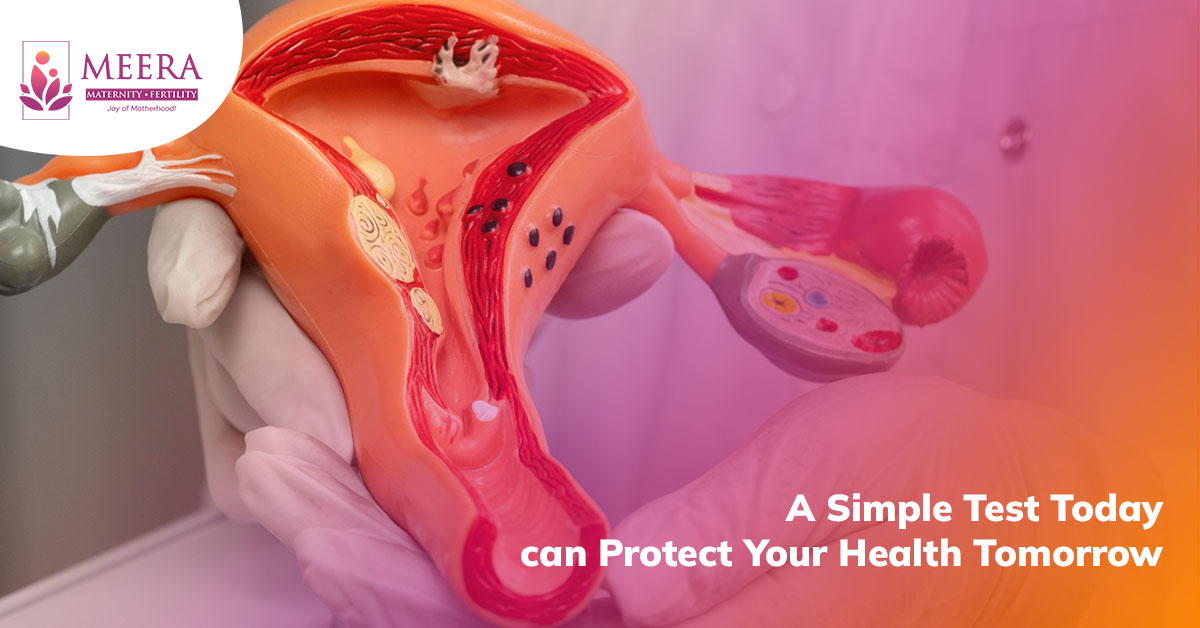
A Pap smear test is a simple check-up done to look at the health of your cervix. The cervix is the lower part of the uterus that connects to the vagina.
This test is not a treatment and not a surgery. It is only a screening. That means it helps find any early changes in the cells before they turn into something serious.
During a Pap smear test, the doctor gently collects a small sample of cells from the cervix. These cells are then sent to a lab to see if anything looks unusual. The goal is to catch small changes early, when they are easy to manage.
You may also hear about an HPV test. This checks for a virus that can cause these cell changes. Both tests are different, but sometimes done together.
Think of this as a routine health check, just like a blood test. It is quick, simple, and meant to keep you safe.
Now that you know what it is, here’s why it could genuinely save your life.
Why Pap smear Test Matters for Every Woman
Many women ask, “Why is a Pap smear important?” The answer is simple. It helps find problems before they become serious.
Cervical cancer often develops quietly. In the early stages, there are usually no clear signs or symptoms. This means you may feel completely fine and still have changes happening in your body.
This is why a Pap smear test is so important. It can find small changes in the cervix years before they turn into cancer. This gives doctors enough time to treat it early and prevent bigger problems.
In India, cervical cancer is one of the common cancers seen in women. But the good news is that it is also one of the most preventable cancers through regular cervical screening.
There is one more thing to remember. Finding an issue early does not mean you have cancer. It only means your doctor can take care of it before it becomes serious.
So, who exactly should get tested — and how often?
Who Should Get a Pap Smear and How Often?
A common question many women have is, “At what age should I start this test?”
In most cases, it is advised to begin the Pap smear test at 21.
If you are between 21 and 29, getting tested once every 3 years is usually enough. From 30 to 65, your doctor may suggest a Pap smear every 3 years or a combination of a Pap smear and HPV test every 5 years.
After 65, some women may not need regular screening if their past results have been normal. Your doctor will guide you based on your health history.
There are also a few special cases. Women who have had abnormal results before, have HPV, or have certain health conditions may need more frequent checks.
Here is something many people are unsure about. You do not need to be sexually active to get this test. Even women who have never been sexually active may be advised to do it. For women who have had a hysterectomy, the need for testing depends on the reason for the surgery.
Asking your doctor is always the best course of action if you are unsure.
Now, here’s the part most women are curious about: What actually happens during the test?
What Happens During a Pap Smear?
If you are feeling unsure about the test, you are not alone. Most women feel this way before their first visit. Knowing what happens can make it much easier.
Before your appointment, try to avoid sexual activity for 2 days. Do not use tampons or any washes inside the vagina. Also, it is best to schedule the test when you are not on your period.
When you reach the clinic, you will be taken to a private room. You will be asked to undress from the waist down, and a cloth will be given to help you feel comfortable and covered.
You will then lie down on a bed, and your feet will be placed on supports. The doctor will gently insert a small tool called a speculum to open the vagina slightly. You may feel some pressure, but it should not be painful.
Next, a soft brush is used to collect a small sample of cells from the cervix. This part takes less than a minute. Once done, the speculum is removed, and the test is over.
The whole Pap smear test usually takes less than 5 minutes. You might feel mild discomfort, but not pain. Some women may notice light spotting after, which is normal.
Once the test is done, the next step is understanding what your results mean.
Understanding Your Results Without Worry
Waiting for test results can feel stressful. But knowing what they mean can help you stay calm and in control.
There are usually three types of results in cervical cancer screening.
A normal result means everything looks healthy. No further action is needed until your next routine check.
An unclear result means the cells are not fully clear for reading. This can happen for simple reasons like infection. Your doctor may ask you to repeat the test after some time.
An abnormal result means some cells look different from normal. This does not mean you have cancer. It only means those cells need to be checked more closely.
In some cases, your doctor may suggest another test called a colposcopy. This is just a closer look at the cervix.
The most important thing to remember is this. Most women with early cell changes are treated easily and never develop cancer. Knowing your result helps you take the right step at the right time.
Finally, let’s clear some common doubts and fears many women have about this test.
Common Myths and the Truth You Should Know
Many women avoid this test because of what they have heard from others. Let’s clear some of the most common doubts.
“I feel fine, so I don’t need a test.”
Cervical cancer often shows no signs in the early stages. Feeling fine does not always mean everything is okay.
“It is only for women who are sexually active.”
This is not true. Any woman with a cervix aged 21 and above may need a Pap smear test, whether she is sexually active or not.
“It is very painful.”
Most women feel only slight pressure during the test. It is quick and usually not painful.
“It is embarrassing to talk about this.”
Doctors who do this test are trained to make you feel safe and comfortable. Your privacy is always respected.
“I got the HPV vaccine, so I don’t need a Pap test.”
The vaccine does not protect against all types of HPV. Regular screening is still important.
Understanding the truth can help you take better care of your health without fear.
A Simple Step Towards Better Health
Taking care of your health does not have to feel confusing or stressful. Sometimes, a small step like a routine screening can make a big difference.
At Meera Maternity Centre, women’s health checks are done in a safe, private, and caring space. The team understands that many women may feel unsure or nervous, especially if it is their first time. You will be guided with care at every step.
If you have been putting your health off, this could be a good time to take that step. Get started by booking an appointment, calling, or even reaching out on WhatsApp.
Your health deserves attention, and you deserve to feel at ease while taking care of it.